
Tarangire National Park
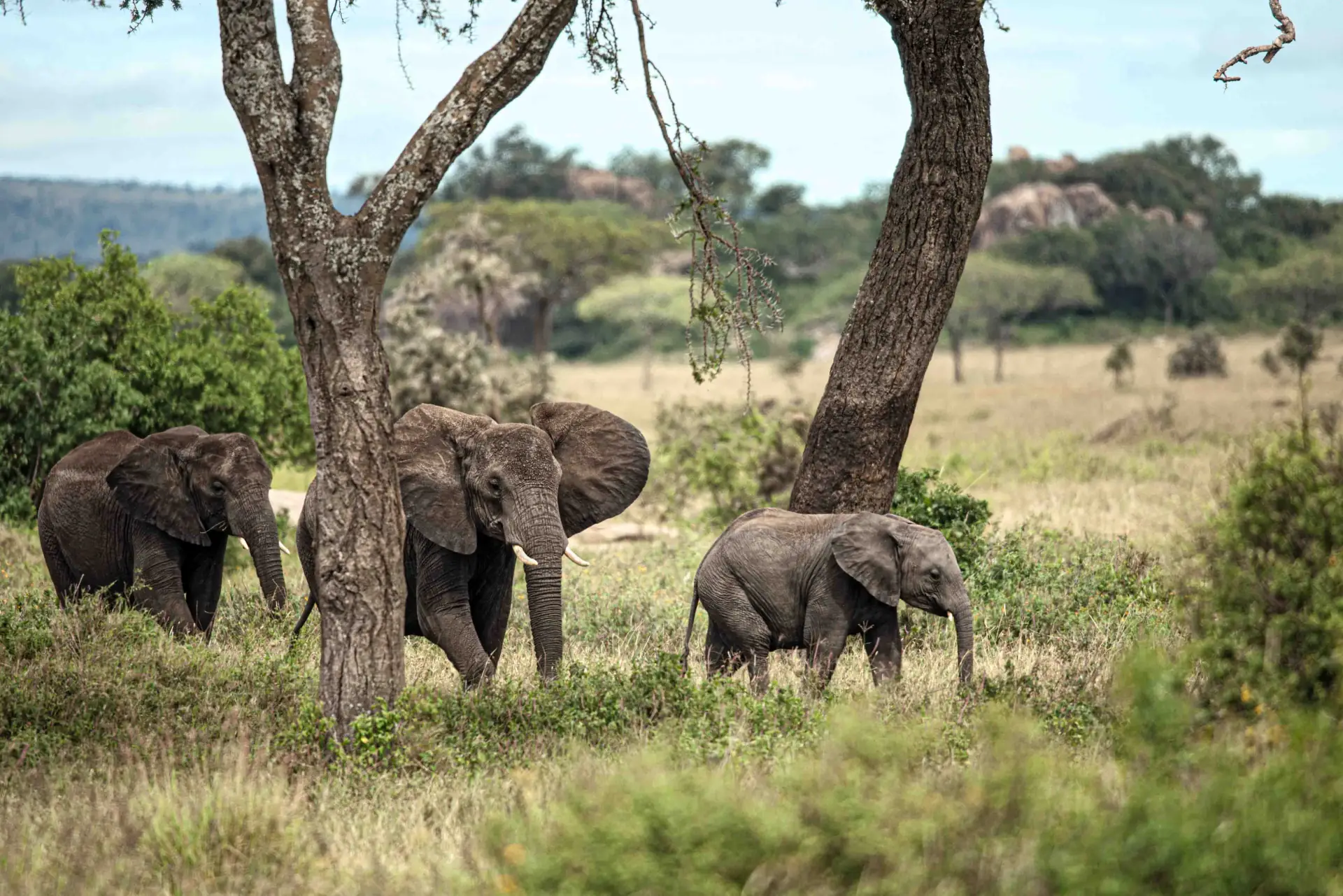
Named after the Tarangire River that flows through it, this park is Tanzania's hidden gem. Home to the highest elephant population density in East Africa — sometimes more than 500 elephants at a single waterhole.
A closer look at Tarangire National Park.
Tarangire National Park is a landscape of striking contrasts, defined by its ancient, towering baobab trees and the meandering Tarangire River. During the dry season, the river becomes a lifeline, drawing incredible concentrations of wildlife from the surrounding Maasai Steppe. The park is most famous for its massive elephant herds, which can number in the hundreds, often seen digging for water in the dry riverbed. Beyond elephants, Tarangire is a haven for bird watchers with over 550 species recorded, and supports healthy populations of lions, leopards, giraffes, and localized species like the fringe-eared oryx and long-necked gerenuk.
Wildlife, scenery & local character
- Elephant herds
- Ancient baobabs
- Tarangire River
- Giraffes
- Buffalo
- Savanna and woodland
Things to experience
- Guided game drives
- Wildlife photography
- Birdwatching
- River-corridor wildlife viewing
Getting there & getting around
Tarangire is commonly reached by road from Arusha and fits at either end of a northern route. Short fly-in trips from Zanzibar connect through mainland flight and vehicle arrangements.
How long to stay
1–2 nights; a longer stay can suit a slower wildlife-focused itinerary.
Planning your visit
One or two nights fits a northern itinerary; the dry-season river draws wildlife into a smaller area.
Build your time here around the experiences you most want to enjoy. Allow for transfers, check the location of your accommodation and leave space for weather or wildlife to shape the day.
Connect the journey
Our local team can help you compare overnight stops, choose the right number of nights and connect this destination with the rest of your safari. Tell us your dates, travel style and interests for a specific recommendation.
Find your safari style →Safari ideas featuring Tarangire National Park
 Safari from ZanzibarPrivate journey2 Days / 1 Night
2 Day Safari from Zanzibar: Tarangire - Savanna Highlights
- Own vehicle & guide
- Mid-range or luxury
- Zanzibar
- Tarangire
- Zanzibar
A 2-day journey combining Tarangire National Park. Coordinate mainland flights with the Zanzibar stay so that safari time works with arrival and return schedules.
 Tanzania SafariPrivate journey2 Days
2-Day Quick Safari — Tarangire & Ngorongoro
- Own vehicle & guide
- Mid-range or luxury
- Arusha
- Tarangire
- Ngorongoro Crater
- Arusha
This 2-days Tanzania safari is perfect for those seeking a short safari, covering the most popular destinations in Tanzania. You'll visit the world-renowned Tarangire National park on Day 1 and Ngorongoro Crater on Day 2, whether your safari begins in Zanzibar or Arusha, starting from $796 per person per day, is both affordable and flexible, offering budget and luxury options.
- Tarangire elephant herds
- Ngorongoro Big Five
- Expert local guides
 Tanzania SafariPrivate journey3 Days
3-Day Classic — Tarangire, Manyara & Ngorongoro
- Own vehicle & guide
- Mid-range or luxury
- Arusha
- Tarangire
- Lake Manyara
- Ngorongoro Crater
The classic Northern Tanzania trio: tree-climbing lions at Manyara, giant elephant herds at Tarangire, and a full Big Five game drive inside the world-famous Ngorongoro Crater.
- Tree-climbing lions
- Lake Manyara flamingos
- Ngorongoro Crater Big Five
A few things you might be wondering
When should I visit Tarangire National Park?
June to October (Dry season brings highest wildlife concentrations)
How can I include Tarangire National Park in my trip?
One or two nights fits a northern itinerary; the dry-season river draws wildlife into a smaller area.
Are all activities available year-round?
No. Weather, local conditions, age policies, permits and individual operators can affect availability. Optional walks, marine activities and special experiences must be checked and confirmed for your actual dates.
Can I change the route and accommodation?
Yes. The published routes are starting points. Tell us your dates, interests and preferred comfort level so we can adjust nights, transfers and activities before quoting.
What determines the final price?
The travel season, number of travellers sharing a vehicle, park fees, room arrangements, lodge availability and domestic flights all affect cost. Your written proposal will identify inclusions and optional extras.
Can the safari finish in Zanzibar?
A mainland safari can connect with Zanzibar by a separately arranged domestic flight. Leave enough time for the transfer and confirm baggage allowances before booking flights.
When is the best time for a Tanzania safari?
Wildlife can be seen all year. June to October is dry, with animals gathering near water. January to March brings the calving season in the southern Serengeti. April and May are the long rains: greener, quieter and often better value. We match the parks and camps to the month you travel.
How many days do I need?
Two or three days suit Tarangire and Ngorongoro. Four to six days let you add the Serengeti without rushing, and seven or more give time for extra parks, a cultural visit or the coast. Fewer long drives usually means a better trip.
Is the safari private?
Our tailor-made safaris are private: your own vehicle and guide, and a daily pace set around your group. Shared departures can sometimes be arranged for solo travellers — ask us and we’ll explain the options.
What vehicle will we travel in?
Game drives are in a 4x4 safari vehicle with a pop-up roof for viewing and photography. Your proposal confirms the vehicle and seating for your group size.
Is a safari suitable for children?
Yes, with the right planning. We keep drives shorter, choose family-friendly rooms and build in rest time. Some camps and activities have minimum ages, so please share each child’s age when you enquire.
Can you cater for dietary needs?
Most lodges and camps can prepare vegetarian, vegan, gluten-free and other meals with notice. Tell us about allergies or requirements when you enquire and we’ll pass them to every property on your route.
Do I need vaccinations or malaria tablets?
Requirements depend on your nationality and recent travel, and a yellow fever certificate may be needed if you arrive from certain countries. Malaria precautions are generally advised. Please check with a travel health clinic before you go.
What should I budget for tips?
Tipping is not compulsory but is customary for guides and lodge staff. We include current guidance with your proposal so you can plan for it in advance.
Will there be Wi-Fi and charging?
Many lodges and camps offer charging points and some Wi-Fi, but the connection can be slow or limited to main areas in remote parks. A spare power bank is useful on game drives.
How far in advance should I book?
For July to October and the holiday season, three to nine months ahead gives the best choice of camps. Shorter notice is often possible — send us your dates and we’ll check availability.
A few details.
A good beginning.
Tell us who is coming and what you would love to find here. We’ll send back a route you can read, question and make your own.
- Planned around your dates and interests
- Midrange or luxury, at your pace
- A personal conversation with our local team