In this field note
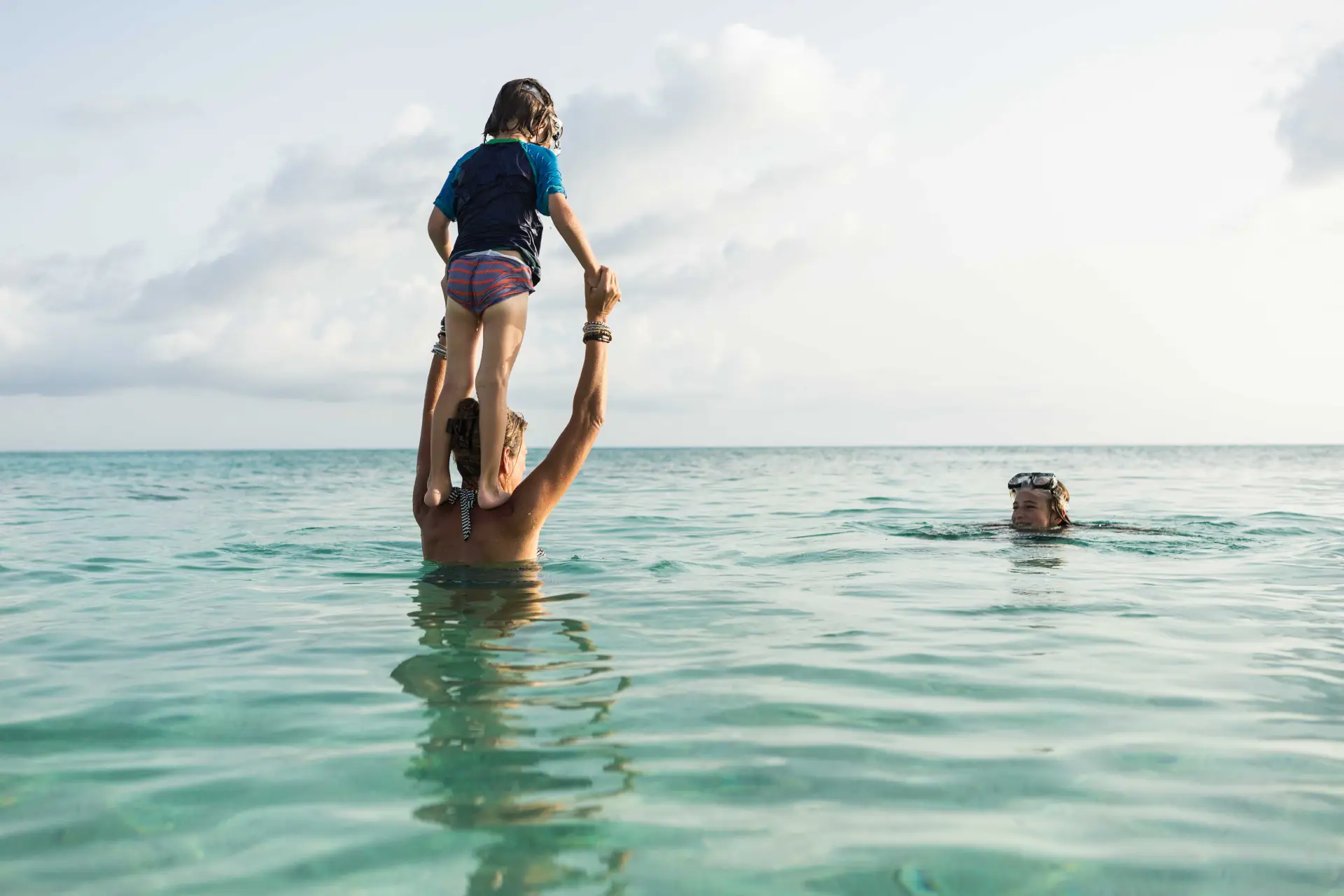
When travellers think of a tropical escape in Tanzania, Zanzibar’s white-sand beaches often come to mind. But just north of Unguja, Zanzibar’s main island, lies Pemba Island, a quieter destination known for lush green landscapes, beautiful reefs, and a more peaceful island atmosphere.
Part of the Zanzibar archipelago, Pemba offers a different kind of coastal experience. Here, clove farms stretch across the countryside, traditional fishing communities line the coast, and the Indian Ocean invites visitors to slow down and explore.
If you are looking for somewhere beyond the usual beach holiday, Pemba Island deserves a place on your Tanzania travel list.
1. What Makes Pemba Island Special?
Pemba is often less visited than Unguja, giving many parts of the island a quieter feel. Its landscapes are greener and more hilly, with small villages, mangrove forests, and a coastline full of hidden coves.
- A peaceful atmosphere: Pemba is a good option for travellers who prefer a slower pace and fewer crowds.
- Lush countryside: The island is known for its clove-growing tradition, earning it a strong connection to Zanzibar’s spice history.
- Rich marine life: Coral reefs and clear waters attract divers, snorkellers, and marine enthusiasts.
- Local culture: Visitors can learn about Swahili traditions, island life, and local food through respectful, locally guided experiences.
Pemba is not simply a place to lie on the beach. It is an opportunity to experience a different side of Tanzania’s coastal heritage.
2. The Best Things to Do on Pemba Island
Explore Pemba’s Underwater World
- Scuba diving: Pemba is known for its reefs, underwater walls, and marine biodiversity. Conditions vary, so choose a reputable dive operator.
- Snorkelling: Depending on sea conditions and location, you may be able to explore coral gardens and observe colourful reef fish.
- Marine excursions: Ask local operators about suitable sites, weather conditions, and responsible practices that protect coral reefs. Pemba is especially appealing to travellers who enjoy marine experiences, although some dive sites are better suited to experienced divers.
Discover the Island’s Green Countryside
- Clove farms: Learn about one of the crops that has shaped Pemba’s economy and identity.
- Village visits: With local guidance and permission, discover everyday island life and learn about local traditions.
- Nature walks: Explore suitable trails and green landscapes with someone familiar with the area.
A local guide can help you understand the island beyond its scenery and ensure visits are respectful of community life.
Visit Historical and Cultural Sites
- Ras Mkumbuu: Explore the remains of an important historic settlement on Pemba, with archaeological features reflecting the island’s long connections to Indian Ocean trade.
- Old Swahili settlements: Ask a local guide about historic sites and the stories behind them.
- Local markets: Browse seasonal produce, spices, and everyday goods while experiencing the island’s daily rhythm.
Check local access arrangements before visiting historical sites, as facilities and conditions can vary.
3. Pemba Island’s Beaches: Quiet and Beautiful
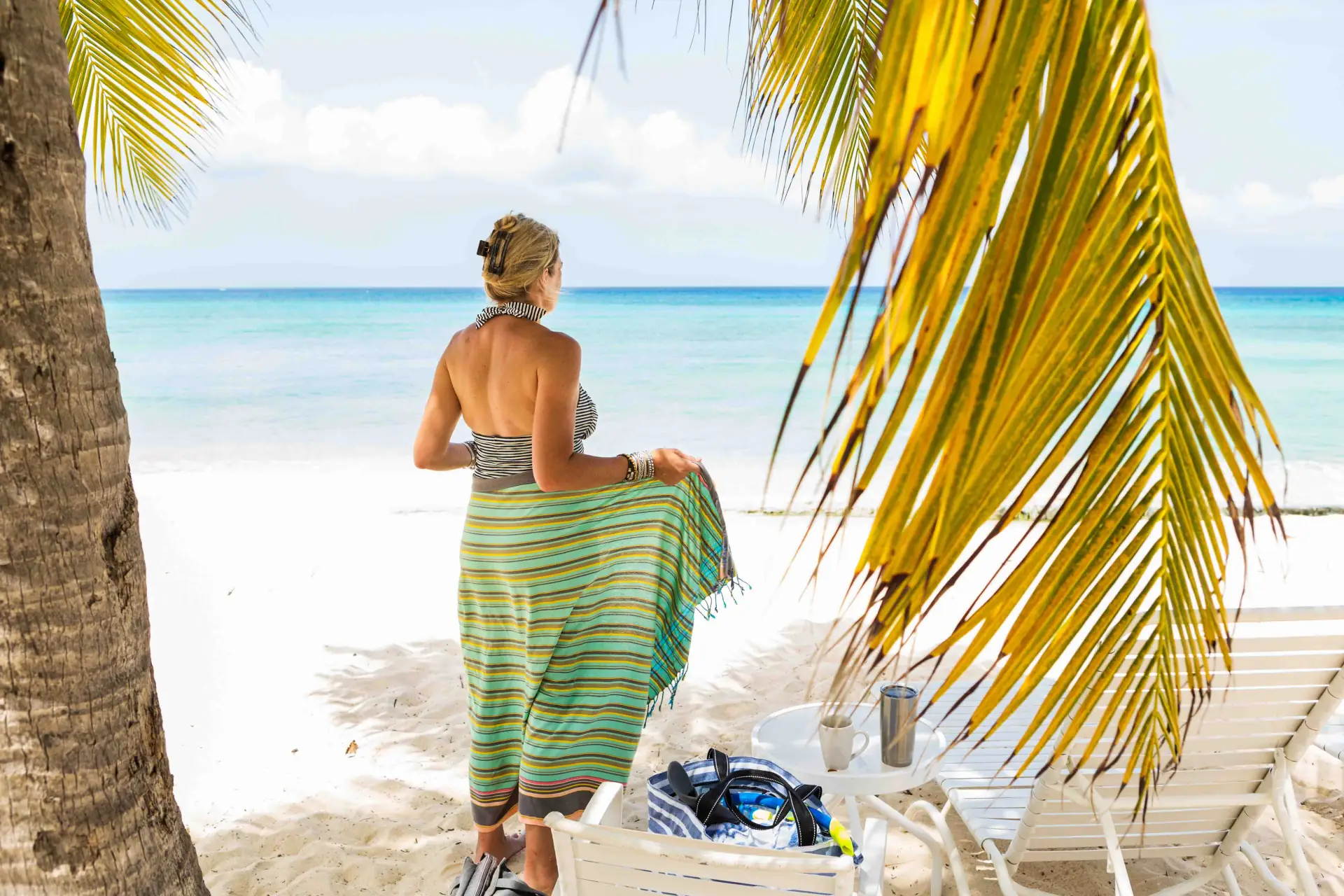
Pemba’s coastline includes sandy beaches, small bays, mangrove areas, and stretches of shore that feel far removed from busy resort centres.
- Vumawimbi Beach: Located on the northern part of the island, this beach is known for its natural beauty and peaceful setting.
- Fundu Lagoon area: The surrounding coastline is associated with secluded accommodation and access to marine activities.
- The west coast: Various coastal areas offer scenic views and opportunities to enjoy the sea, depending on tides and local conditions.
Facilities can be limited in more remote areas, so arrange transport and refreshments in advance. Also remember that tides and currents affect swimming conditions.
4. What Is the Best Time to Visit Pemba Island?
Pemba is warm throughout the year, but rainfall and sea conditions can influence what you can do.
- June to October: Generally a popular period for visiting, with drier weather and opportunities for outdoor activities.
- January to February: Often warm and suitable for a beach holiday, although local conditions can vary.
- March to May: The long-rain season can bring heavier rainfall and changeable conditions, which may affect boat trips and diving.
If scuba diving is a priority, check conditions with a local dive operator before booking. Visibility and currents vary by site and season.
5. How to Get to Pemba Island
Pemba is accessible by air and sea, but schedules and journey times depend on the season and operator.
- By air: Flights may connect Pemba with Zanzibar, Dar es Salaam, or other destinations, depending on available services.
- By sea: Ferry services may be available from other islands or mainland ports, but schedules and travel conditions should be checked before departure.
- Getting around: Arrange transfers with your accommodation or a trusted local operator, especially if you plan to visit remote beaches or historical sites.
If you are combining Pemba with a Tanzania safari, plan your connections carefully so you have enough time for transfers and any changes to schedules.
6. Pemba Island vs Zanzibar’s Main Island: Which Should You Choose?
Both islands offer beautiful coastal experiences, but they suit slightly different travel styles.
- Choose Unguja, Zanzibar’s main island if you want a wider choice of resorts, restaurants, cultural attractions in Stone Town, and organised activities.
- Choose Pemba if you prefer a quieter atmosphere, green countryside, and marine experiences away from busier tourist areas.
- Visit both if you have enough time and want to experience the contrast between Zanzibar’s more developed visitor areas and Pemba’s slower pace.
Pemba has fewer tourism facilities in some areas, so it is worth planning accommodation and transport ahead of time.
Discover Pemba Island with Lucky Wild Safaris
Pemba Island is a reminder that Tanzania’s beauty extends beyond its famous national parks and well-known beaches. From clove farms and historic settlements to coral reefs and quiet coastal landscapes, the island offers a rewarding escape for travellers who want to explore at a slower pace. At Lucky Wild Safaris, we can help you explore options for combining a Tanzania safari with a coastal extension, including Zanzibar and Pemba, depending on your interests, dates, and travel arrangements.
What would this look like for you?
Bring your questions to our Arusha team. We’ll help you turn the reading into a route, with the practical details written down.
Start your safari notebook Ask us on WhatsApp